Google DeepMind Just Hired A Philosopher And Here’s Why That’s Terrifying

HHHHHHHHHHHNNNNNNNNMMMPHHHHHHHHHHHUUUUUUUUUUU

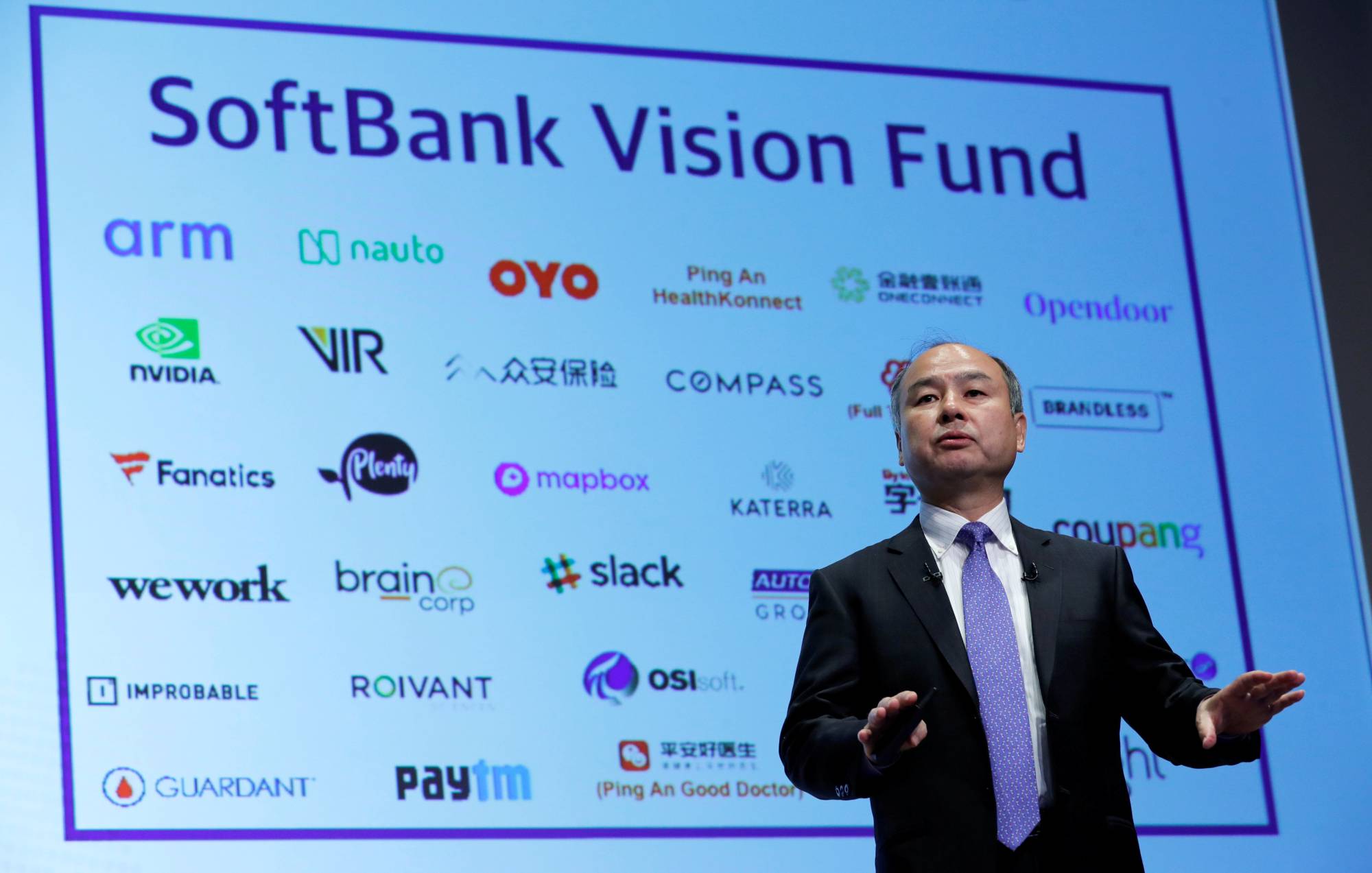
Look, this is good news really, should have been done from the start. I know some people think that philosophers are useless, but when big tech has dived in headfirst into maybe the most complex moral and existential questions humanity has ever faced, it seems insane in hindsight that they didn’t think to hire a lifeguard.

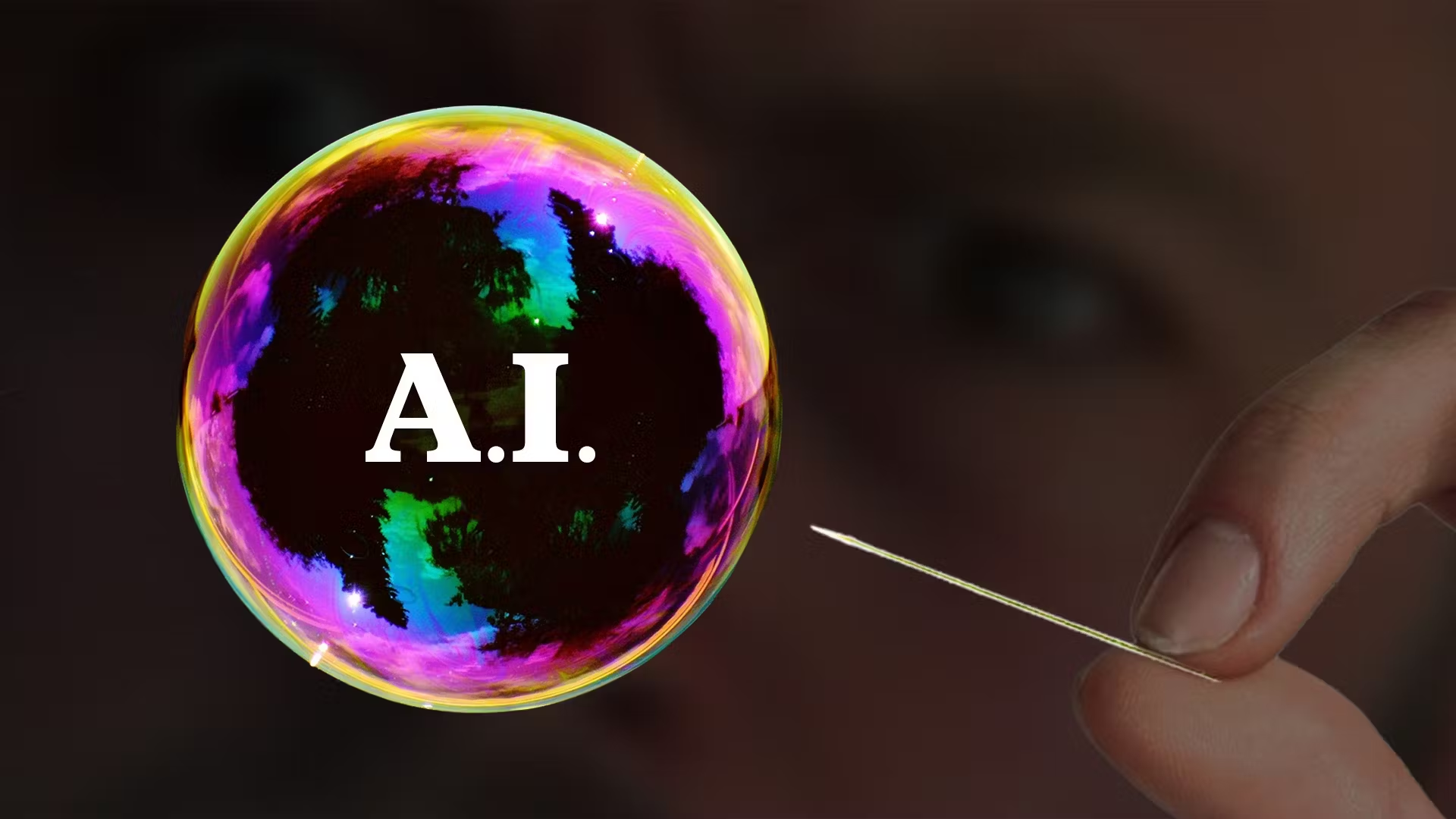
But then on the other hand to some extent it’s more AI hype, like, please, please, please, HOW MANY TIMES DO I HAVE TO SAY IT: AI IS NOT ‘AI’. It is not conscious, it’s not intelligent and hiring a philosopher I’m worried is just a marketing strategy to signal to investors that yeah, we’re on the brink of human-level intelligence here.

I hope it’s not just that, I’m just so weary of these fuckos because all they do is lie and hype and lie some more. Everything is marketing to these people.

But I hope this is an exception, because if anyone needs a philosopher on board it’s the people who outsourced their moral compass to ChatGPT years ago.

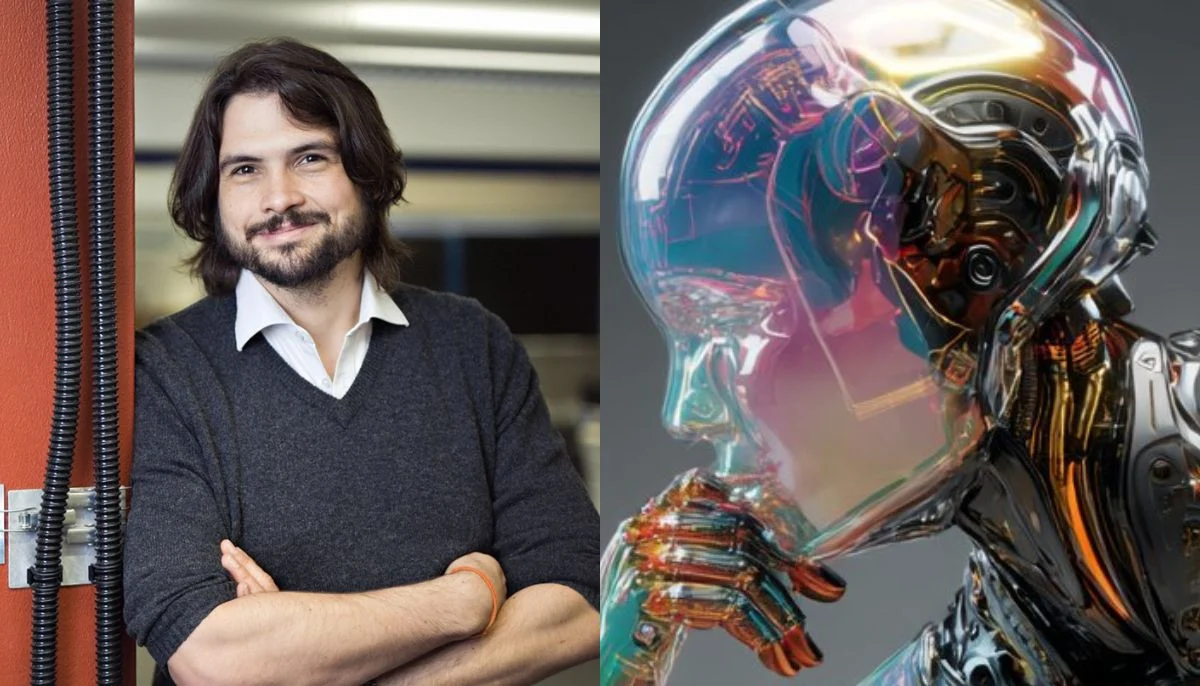
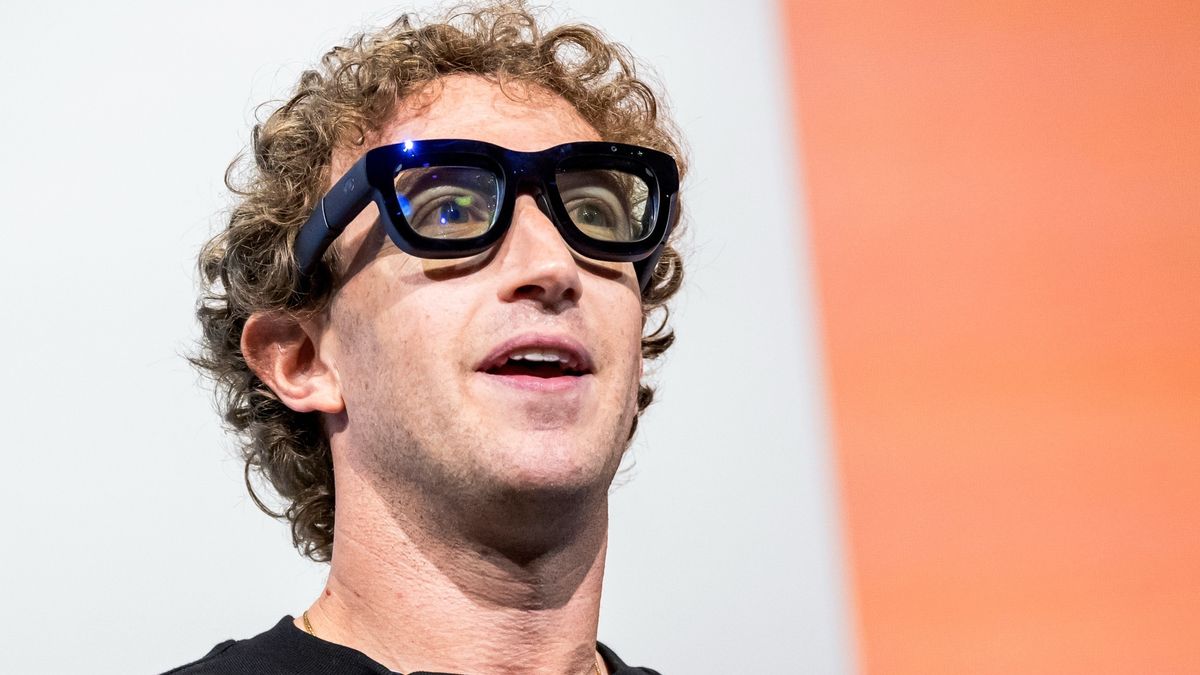
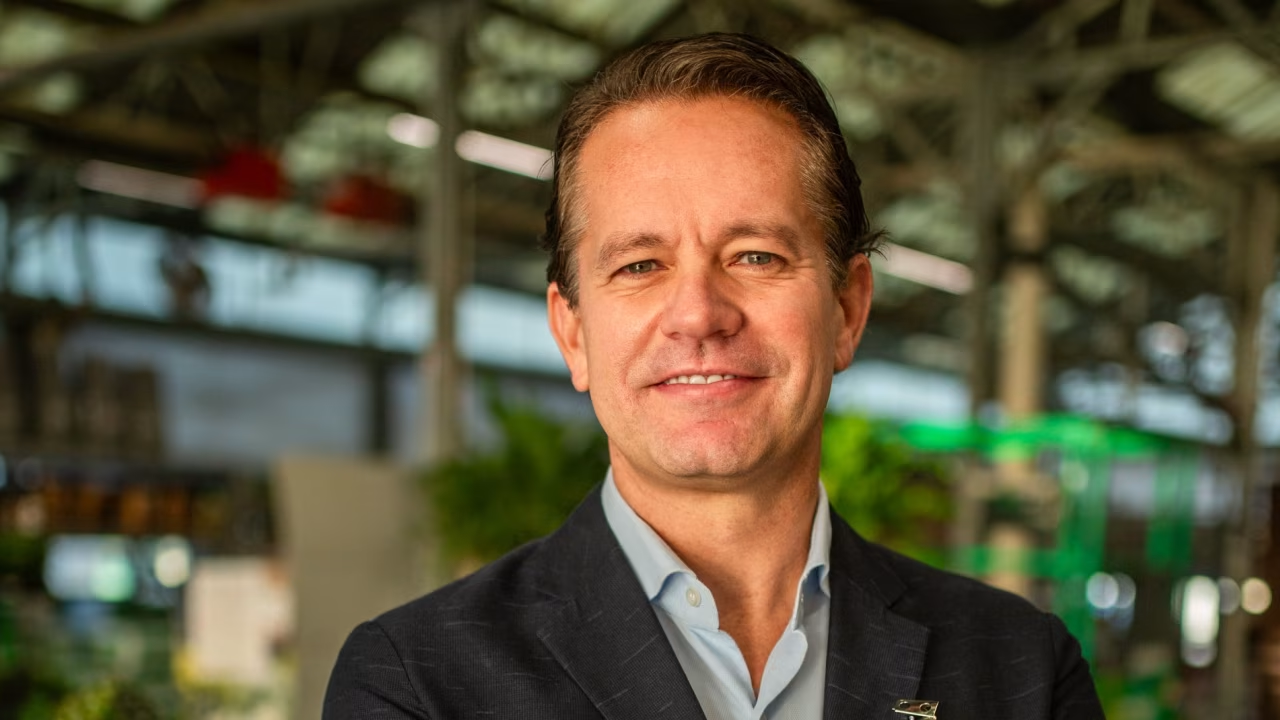
The philosopher in question is Henry Shevlin, former associate director at the University of Cambridge’s Leverhulme Centre for the Future of Intelligence.

Writing on LinkedIn Shevlin said, “It’s a rare privilege to work on questions I’ve spent my career thinking about, now with the resources and urgency that come with being inside one of the world’s leading AI labs.”

Oh wait, I forgot about my clickbait headline, sorry, I always do that. So, why is this terrifying? Well I guess the placement implies AI is super sophisticated and needs reigning in by a philosopher. But yeah, like I said, that’s just hype. Please ignore my shitty titles, they really are just to get you in the door, but you knew that right?

God, I’m just as bad as the AI hype men!! AAHHHHHHH!!!!! HHHHHHHHHHHNNNNNNNNMMMPHHHHHHHHHHHUUUUUUUUUUU!!!!!!!!

Latest news

Marge Incall• April 14, 2026D

Google DeepMind Just Hired A Philosopher And Here’s Why That’s Terrifying

The philosopher in question is Henry Shevlin, former associate director at the University ...
Tech
Marge Incall• D

Google DeepMind Just Hired A Philosopher And Here’s Why That’s Terrifying

The philosopher in question is Henry Shevlin, former associate director at the University ...
Tech

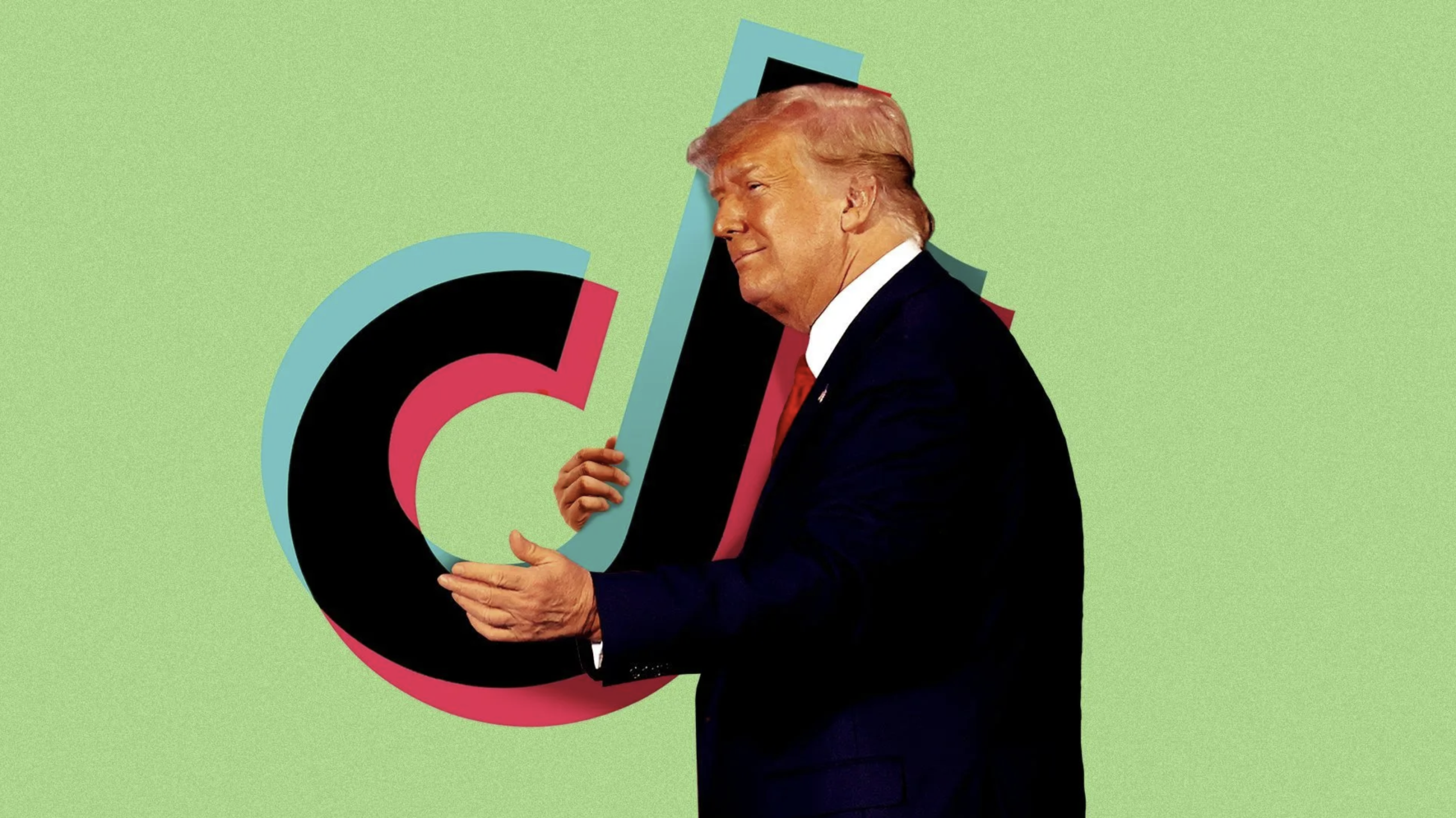
Trump Actually Being Jesus Skyrockets On Predictions Markets

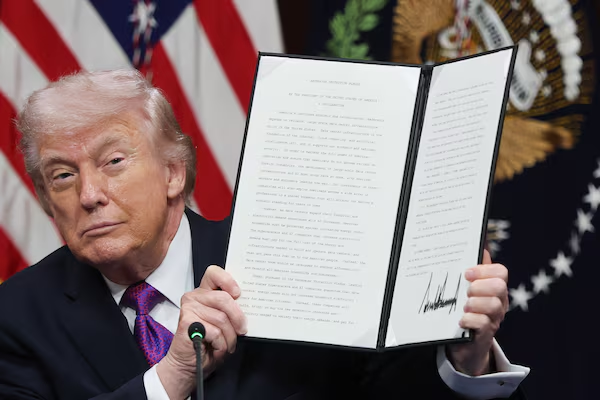
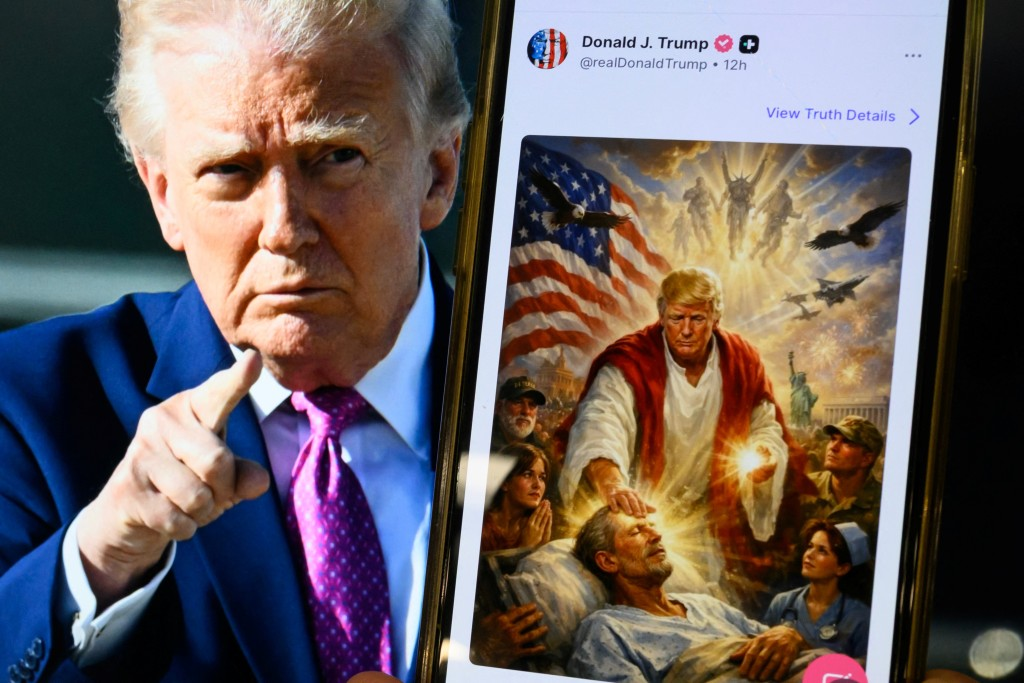
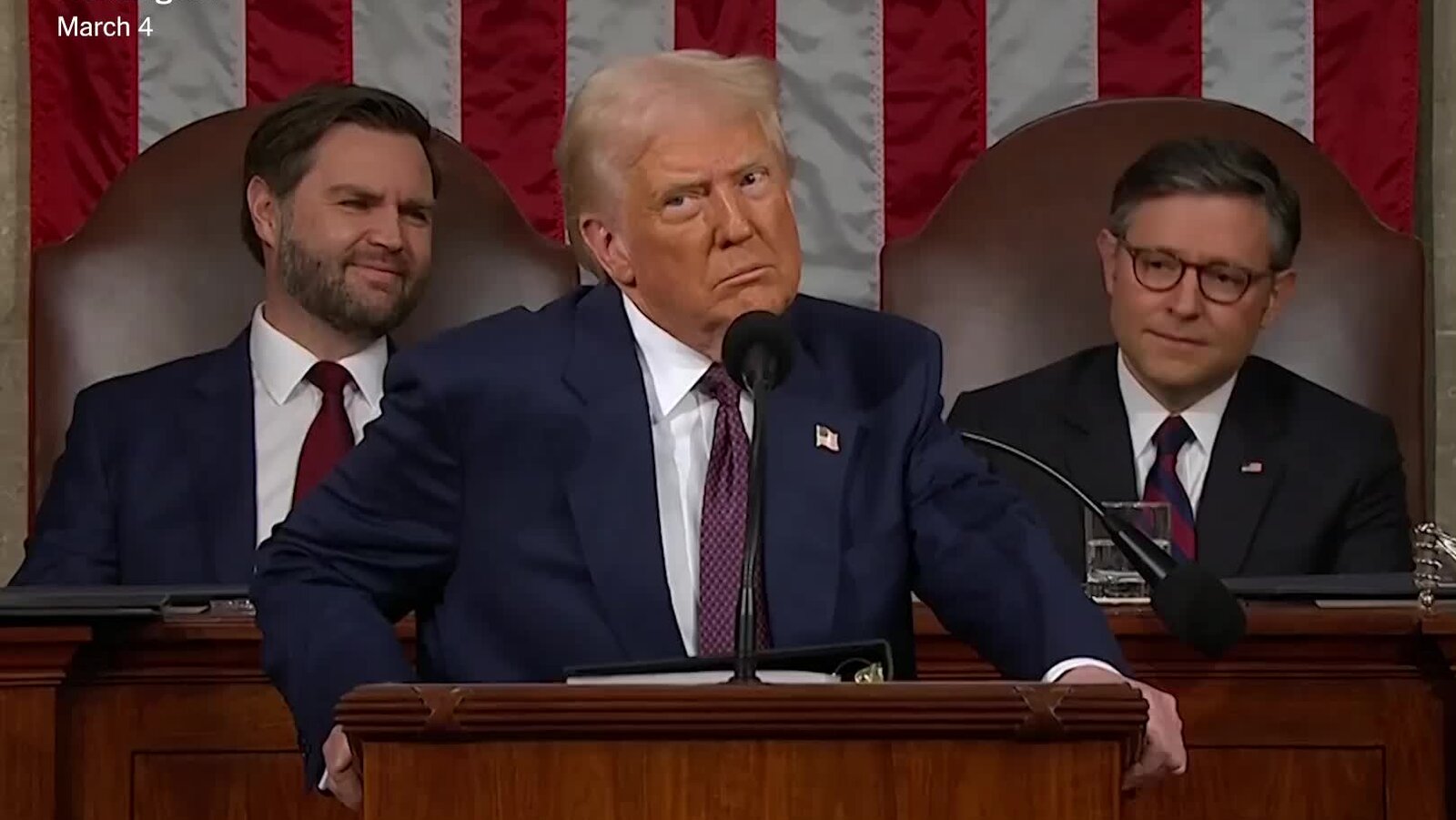
Donald Trump posted an AI-generated picture of him as Jesus, sorry, a doctor, sorry, Dr. Jesus, which isn’t a problem because it was him as a doctor, but then he deleted it, not because it was a problem, but because people misunderstood it. HE WAS CLEARLY A DOCTOR GUYS.

Anyway, obviously this rubbed his base up the wrong way. Turns out implying that you’re Jesus isn’t very Christian because, you know, Jesus is Jesus, not Dr. Jesus.

But Trump’s done a lot of unchristian things and that’s never stopped people supporting him so there’s a simple solution, BEND YOUR UNDERSTANDING OF REALITY TO MAKE WHAT HE DID OK.

In this case, maybe it’s true. Maybe Trump is Jesus… And if prediction markets like our sponsor Polymarket are anything to go by, a lot of people are wondering if that’s true. A number of bets have been placed that Donald Trump will be shortly revealed to actually be Jesus after all, like the worst episode of Scooby Doo.

That’s not true obviously, I just made that up, like, who actually thinks Trump is Jesus? Other than Trump himself of course…

But it would make a lot of sense, I mean, Jesus often talking about groping women and annihilating whole civilisations…

I’m kidding but tbf, the old testament god was pretty aligned with Trump’s morality. And that’s the thing we’re like omg, how could Christians possibly support Trump? Do they now know that he stands against everything Jesus taught? Christians would have to hold two opposing views in their head simultaneously, right?

But they already do that, believing slavery is always wrong, unless god does it. Or god is always right, even when he does something bad. Idk, we all have conflicting beliefs, it’s hard to pin anyone down, we shouldn’t be surprised when Trump supporters of all people aren’t morally consistent.

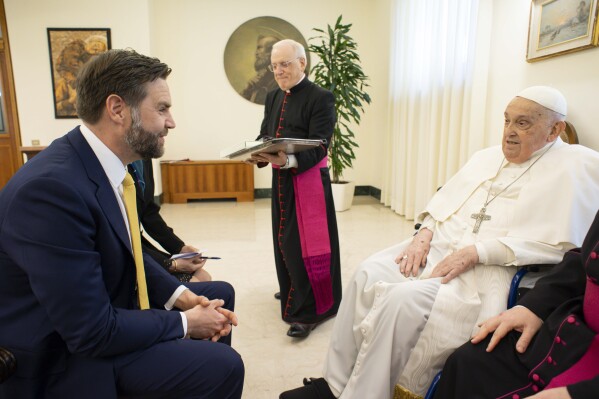
Oh yeah, and he had beef with the Pope, that was weird…

Latest news

Pen Smith• April 14, 2026D

Trump Actually Being Jesus Skyrockets On Predictions Markets

Donald Trump posted an AI-generated picture of him as Jesus, sorry, a doctor, sorry, Dr. J...
Politics
Pen Smith• D

Trump Actually Being Jesus Skyrockets On Predictions Markets

Donald Trump posted an AI-generated picture of him as Jesus, sorry, a doctor, sorry, Dr. J...
Politics

The New Avatar Movie Just Leaked 6 Months Early And Paramount Is Scrambling To Find Who Did It

Oh, sorry, we’re just talking about the cartoon movie here, not the James Cameron, blue aliens one. Was that not clear? Hey, don’t blame me I didn’t name two fantasy franchises the exact same name…

Anyways, yeah, this is the story that the upcoming Nickelodeon movie based on that cartoon TV show called Avatar (that I thought everyone had moved on from) just got leaked, maybe from a hack.

Sorry, sorry, I know you’re still confused, so just to make it clear, we’re not talking about Avatar: The Last Airbender (2005), Avatar: The Last Airbender (2024), Avatar: Seven Havens (2027), The Last Airbender (2010), Avatar (2009), Avatar: The Shape of Water (2022), Avatar: Fire and Ash (2025), no, we’re talking about Avatar: Aang, The Last Airbender (2026).

It’s a cartoon movie sequel to the original TV show and it’s not out yet but two clips have been posted to social media well before any official material has been released.

Claiming credit is a hacker group named PeggleCrew and a leaker called @ImStillDissin who says that Nickelodeon accidentally emailed him the full movie and script. So I guess this was a phishing scam then?

The clips have since been copyright striked and taken down but not before Mr. Dissin could issue a threat for Paramount (Nickelodeon’s parent company) to release a trailer or else he’ll “I’ll livestream the entire movie alongside some Peggle Deluxe gameplay.”

So we’ll just have to wait and see if the threat is hollow or not or if Paramount capitulates but probs they’ll just ignore this publicly and have some lawyers on it in the background.

Paramount could not be reached for comment. Jks, I’m not emailed Paramount, what do I look like to you a real journalist? Getoutahere…

Latest news

Marge Incall• April 13, 2026D

The New Avatar Movie Just Leaked 6 Months Early And Paramount Is Scrambling To Find Who Did It

This is the story that the upcoming Nickelodeon movie based on that cartoon TV show called...
Culture
Marge Incall• D

The New Avatar Movie Just Leaked 6 Months Early And Paramount Is Scrambling To Find Who Did It

This is the story that the upcoming Nickelodeon movie based on that cartoon TV show called...
Culture

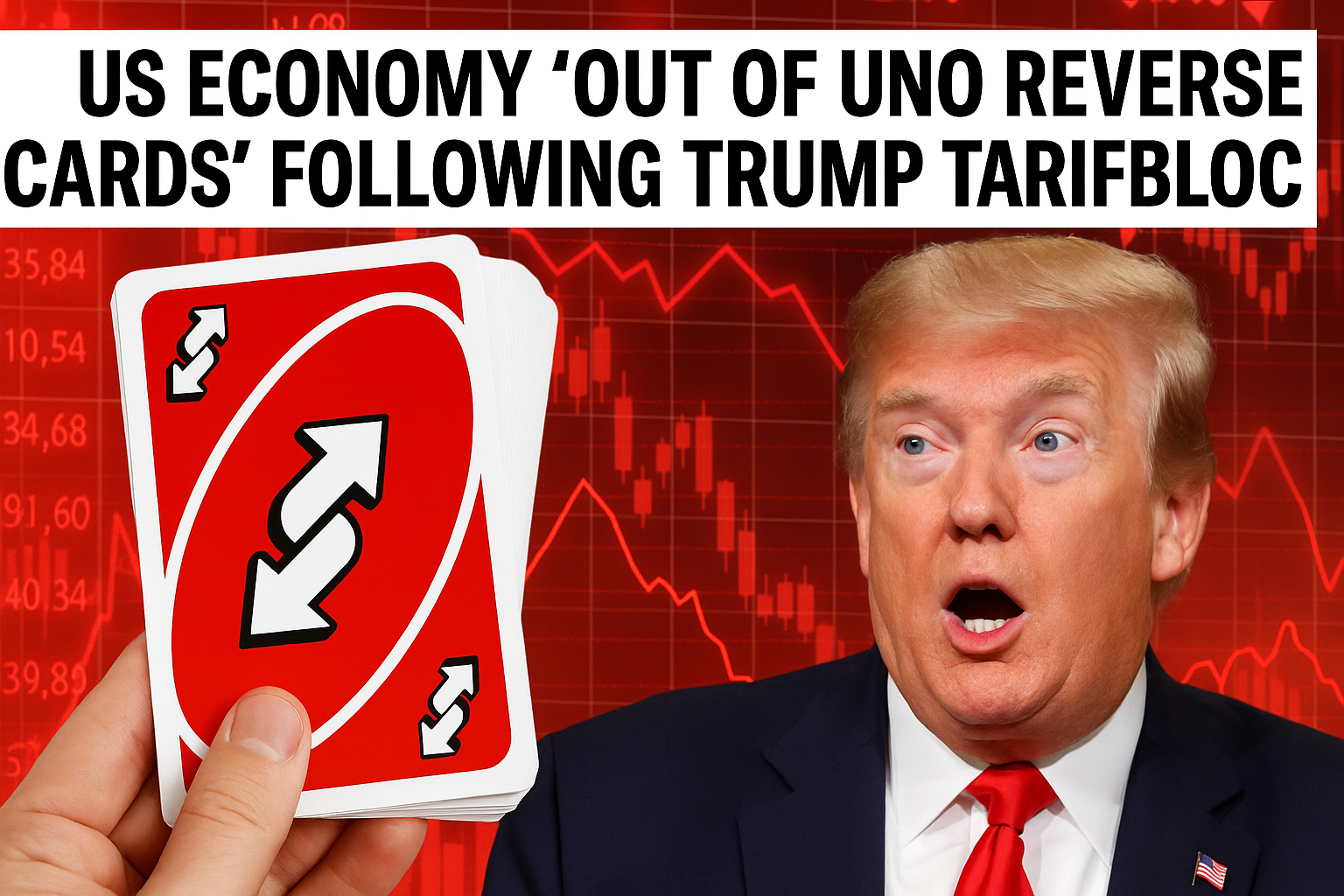
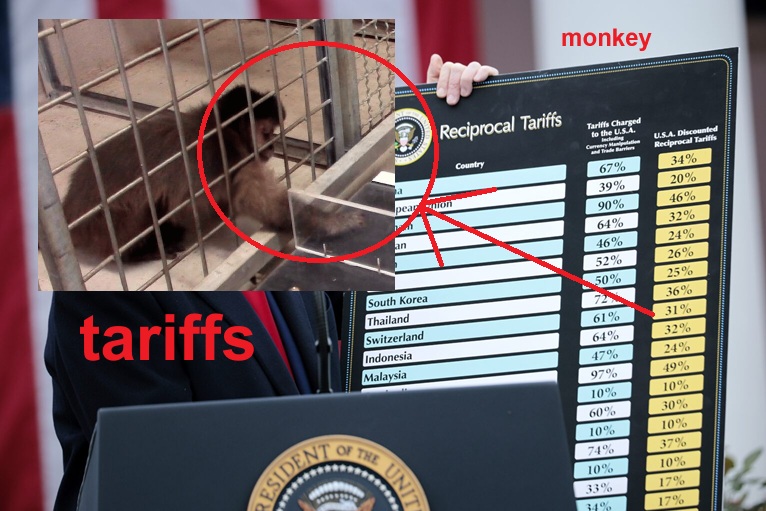
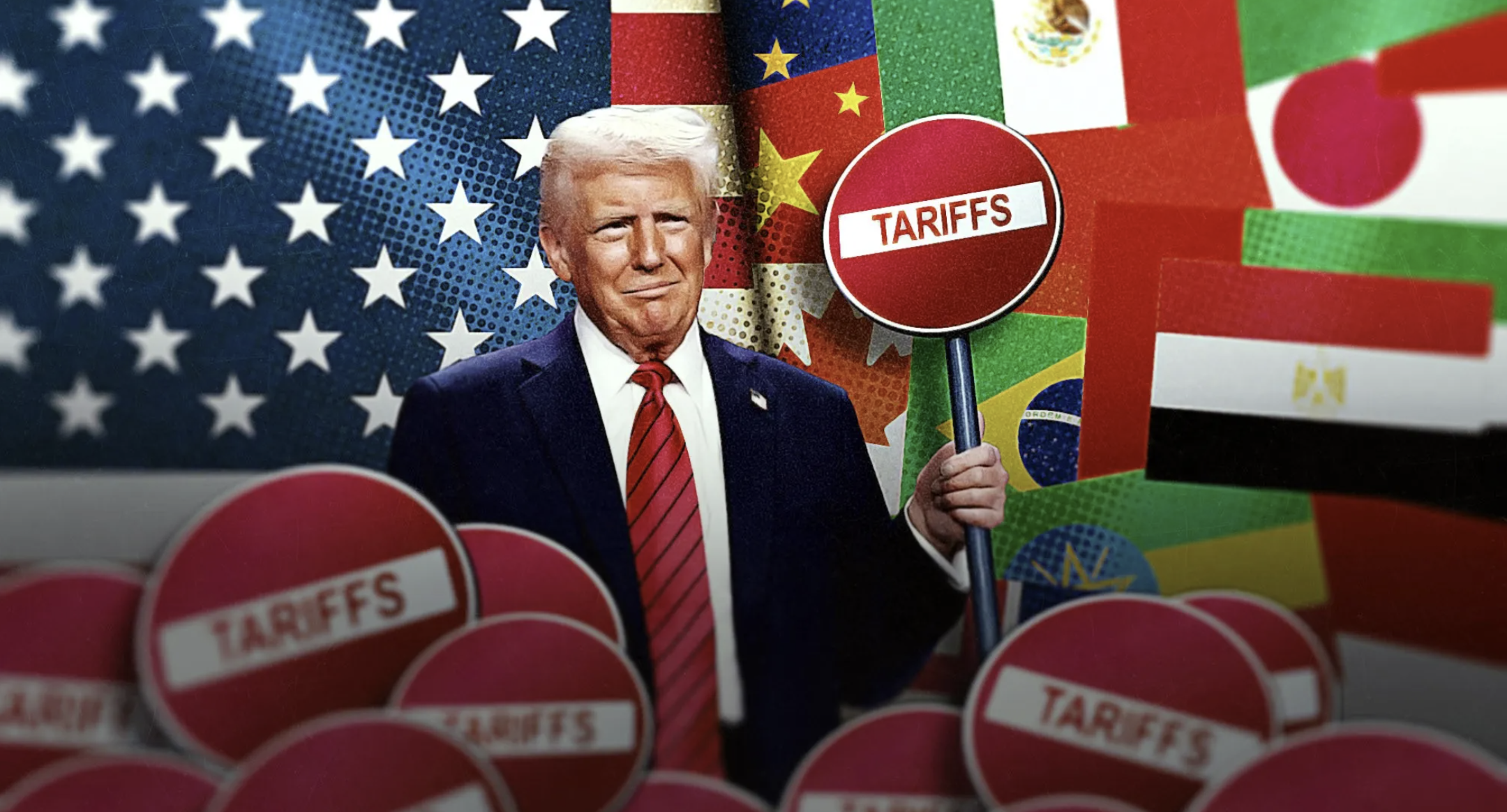
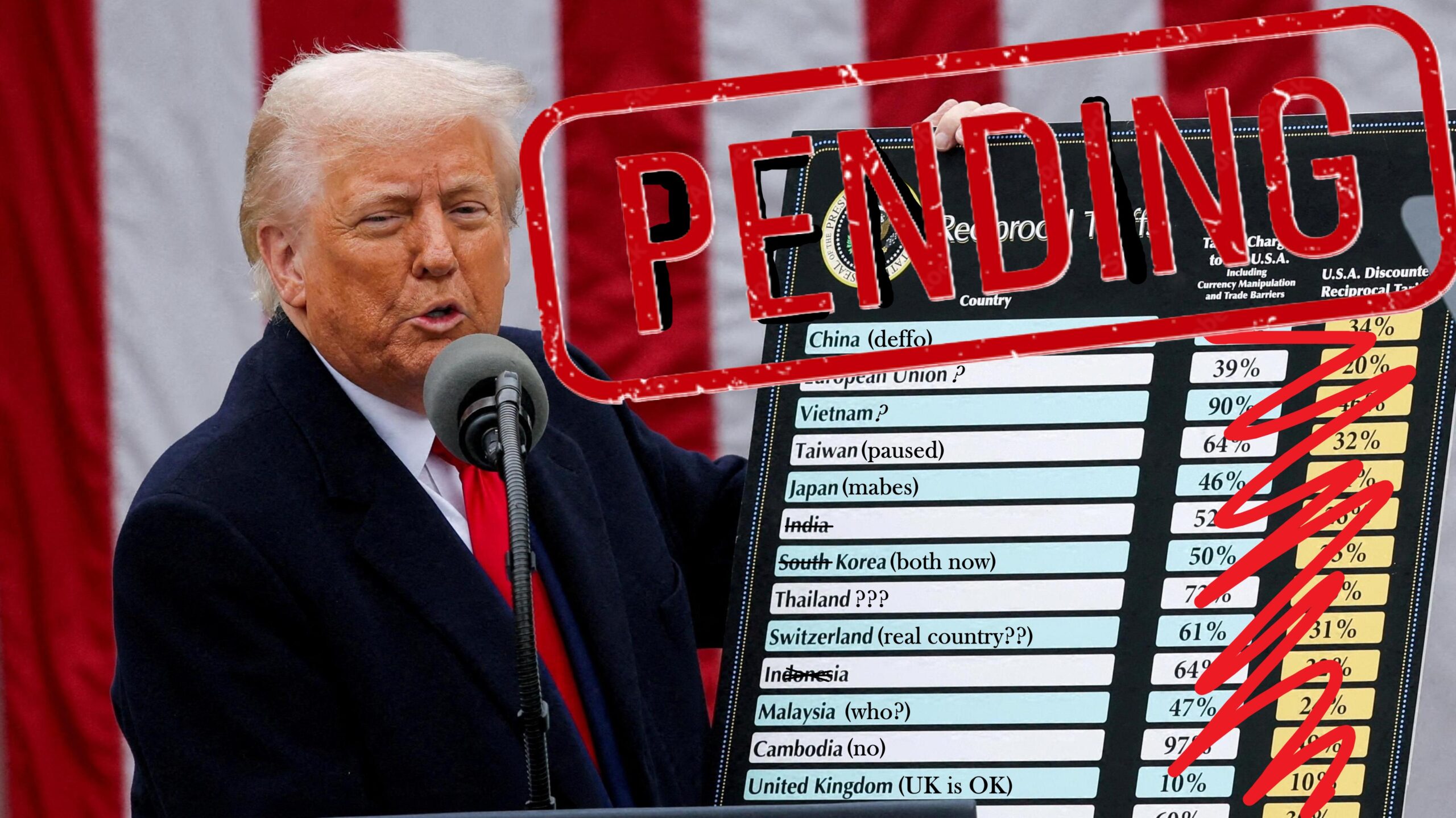
Trump Threatens 50% Tariff On China, Here’s What That Means For The Global Supply Chain

Although with all of Trump’s threats you have to ask is he even going to commit to it or will he just TACO out like always? I mean he did so when he threatened to annihilate the ‘civilisation’ of Iran (thankfully), with all the other tariffs, with foreign relations, when he said he’d be a president for peace, etc, etc, etc…

BUT BY ALL MEANS let’s humor him this time.

An verified report came out suggesting that Beijing might send Iran an air defense system and Trump freaked OUT, threatening to impose a 50% tariff on China, CHINA, chinachina.

Here’s what he said:

“I hear news reports about China giving [Iran] the shoulder missiles… what’s called the shoulder missile, anti-aircraft missile. I doubt they would do that… but if we catch them doing that, they get a 50% tariff, which is a staggering — that’s a staggering amount.”

Sorry, I blacked out, what are we talking about? Oh yeah…

So obviously this would be bad for the global supply chain, most likely passing on that 50% pay hike on to American consumers, like all the other tariffs.

But will it actually happen? Idk. Probs not, right? Maybe let’s not make an article all about it until something actually happens, yeah? Maybe let’s not waste our time here. We’ve only got one life to live. One life guys, let’s not spend our brain power worrying about what Trump might maybe do based on the garbage things he says.

Latest news

Ima Short• April 13, 2026D

Trump Threatens 50% Tariff On China, Here’s What That Means For The Global Supply Chain

Although with all of Trump’s threats you have to ask is he even going to commit to it or...
Politics
Ima Short• D

Trump Threatens 50% Tariff On China, Here’s What That Means For The Global Supply Chain

Although with all of Trump’s threats you have to ask is he even going to commit to it or...
Politics

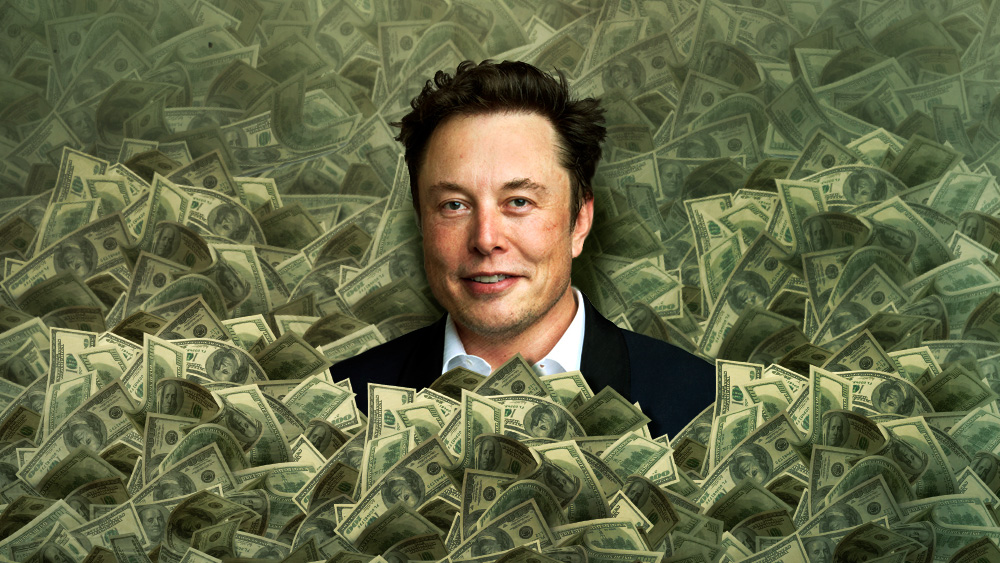
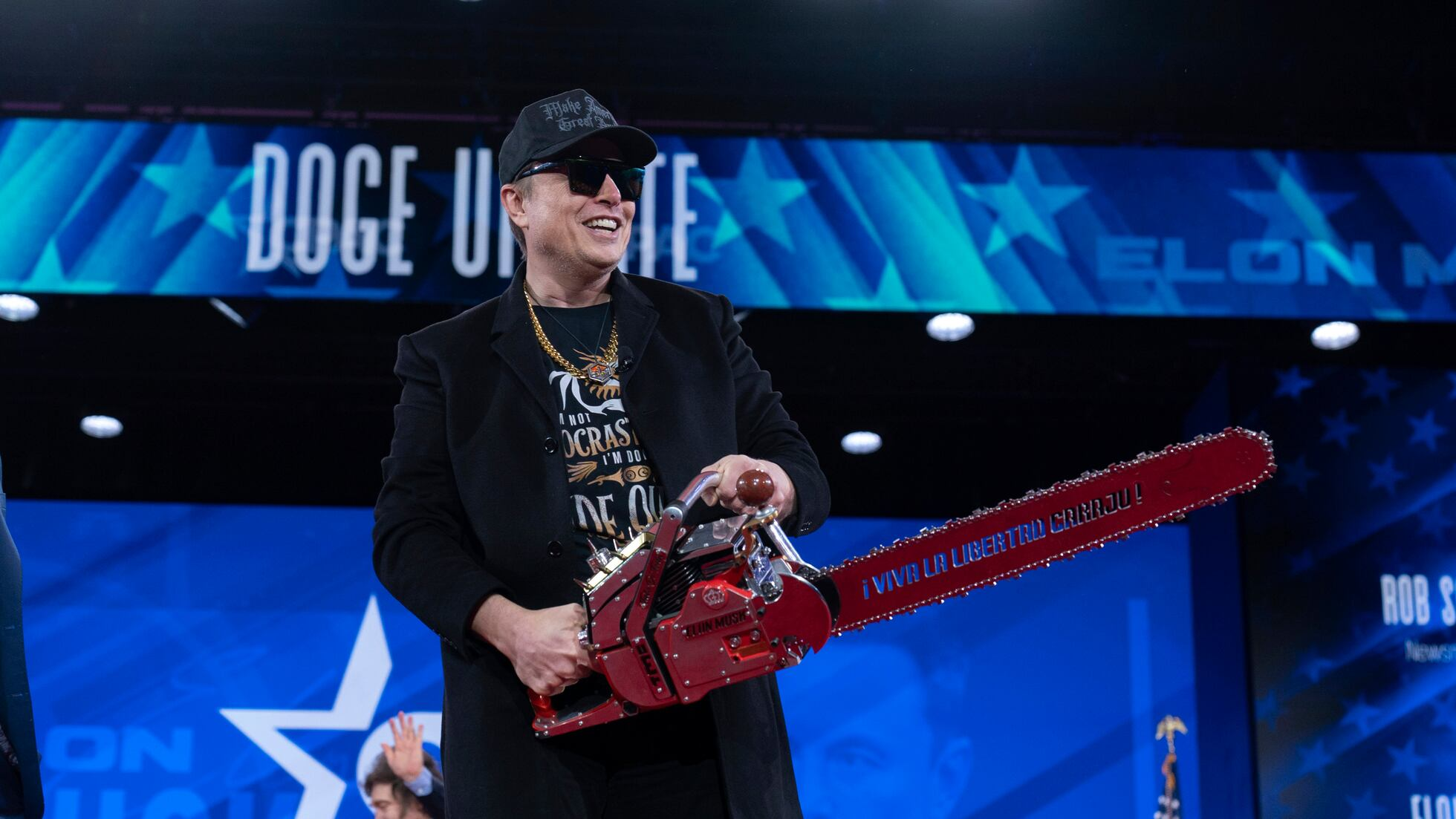
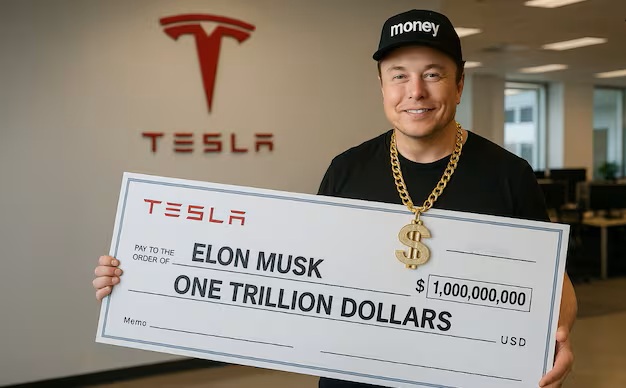
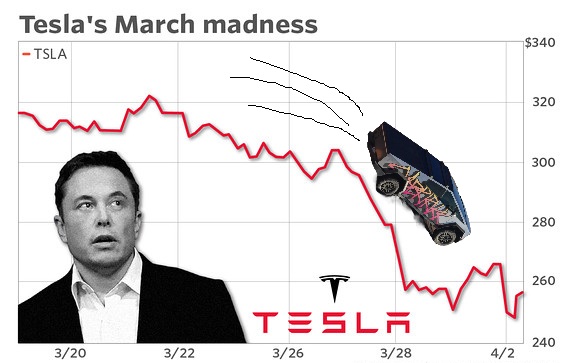
JPMorgan Warns Of 60% Tesla Stock Crash, Will Elon Musk Back Down?

Probs not.

In one of the most bearish calls against Tesla stocks (and shares), JPMorgan analyst Ryan Brinkman (lol) just warned that the EV car stock could fall as much as 60%.

Yep, we’ve been here before. Tesla has just been under delivering and overpromising, missing its sales targets by over 50,000 units. Now its global unsold inventory has reached 164,000, you know, the thing that they’re supposed to make and sell?

For all the talk of the AI bubble bursting, here’s a little mini one right before our eyes. Because Tesla’s always been overhyped and underdelivering. And now with the removal of the EV tax credit and mounting competition from China, it’s no wonder Elon’s doing the frantic U-turn to AI and robotics.

But Musk himself isn’t going anyway, he’s got a big bonus check to cash, afterall. So really if anyone should be concerned about this news, it should be him…

But don’t just listen to me, here’s what AI had to say on the matter (because you’re interested, I’m sure, not because I’m under the word count…):

The Tesla Cassandra Prophecy from Wall Street

In a move that shocked absolutely no one familiar with the dynamic between legacy finance and the electric vehicle disruptor, JPMorgan Chase & Co. has issued a dire, nay, apocalyptic warning: Tesla stock (TSLA) is poised for a 60% crash.

The report, allegedly penned on parchment by a team of analysts wearing high-collared, Victorian-era waistcoats, detailed a complex financial model based primarily on The I Ching, the phases of the moon, and the current level of social media dopamine swirling around CEO Elon Musk.

“Our rigorous discounted cash flow (DCF) analysis suggests that the market has fundamentally mispriced the true value of a company that is simultaneously a car manufacturer, a battery grid operator, an AI/robotics pioneer, and the primary funding mechanism for colonizing Mars,” stated lead analyst, Bartholomew “Barty” Giltedge, who reportedly still uses an abacus for all calculations over $100 million. “Specifically, the stock is currently trading at 800 times future earnings, 400 times past earnings, and approximately 1.5 million times the average analyst’s personal sense of self-worth.”

Elon’s Inevitable Response: The Tweet Heard ‘Round the World

As the financial world convulsed, bracing for a response that could range from a simple ‘u ok hun?’ to an announcement that Tesla would now accept payment in Dogecoin minted on the surface of the Moon, Elon Musk delivered.

At 3:00 AM PST, precisely 48 minutes after Barty Giltedge’s report hit the wire, Musk tweeted a single, cryptic image: a picture of a particularly smug-looking Shiba Inu piloting a Tesla Roadster into orbit. The caption, which instantly became the new gospel for retail investors, read: “JPMorgan is just jealous they didn’t get to name their satellite company ‘Starlink.’ 🚀 LMAO.”

In the subsequent hours, Tesla stock briefly dipped 0.5%, then inexplicably soared 7% after an army of retail traders—affectionately known as the “Musketeers”—interpreted the tweet as a clear signal that the next quarter’s earnings would be entirely denominated in space-based digital assets.

Tesla? You Betcha

So, will Elon Musk “back down” from his current trajectory of pioneering technologies, defying traditional valuation metrics, and occasionally causing multi-billion dollar swings with a single emoji?

Market consensus suggests that this is about as likely as a hedge fund manager admitting they were wrong about Gamestop.

“Asking Elon Musk to ‘back down’ is like asking the ocean to stop being wet,” commented Dr. Minerva Quibble, Professor of Technosocial Dynamics at the University of Unquantifiable Metrics. “His valuation model isn’t based on EBITDA; it’s based on sheer, unadulterated narrative momentum and the future utility of memes. JPMorgan is operating in 3D chess, but Elon is playing 5D quantum Go Fish.”

Meanwhile, Barty Giltedge and his team are reportedly updating their model, factoring in the newly discovered variable of “Inu-Astronautical-Market-Sentiment.” Their new price target, subject to change based on the weather in Boca Raton, Florida, is expected sometime next week, provided the abacus doesn’t run out of beads.

Latest news

Ima Short• April 13, 2026D

JPMorgan Warns Of 60% Tesla Stock Crash, Will Elon Musk Back Down?

In one of the most bearish calls against Tesla stocks, JPMorgan analyst Ryan Brinkman (lol...
Stonks
Ima Short• D

JPMorgan Warns Of 60% Tesla Stock Crash, Will Elon Musk Back Down?

In one of the most bearish calls against Tesla stocks, JPMorgan analyst Ryan Brinkman (lol...
Stonks

GTA 6 Is Going To Turn Gamers Into Millionaires And Here’s How

User-generated content.

Ok so this story comes from the highly reputable source, ‘HipHopGamer’ who claims to have an in with Rockstar and will happily do some of their marketing for them with a healthy does of wild speculation.

Mr Gamer says that Rockstar is building an in-game ecosystem and marketplace for players to buy and sell assets they’ve created, allowing real people to make real money in the virtual Vice City.

“There’s things in Grand Theft Auto that I know for a fact, because I got a chance to party with Rockstar, literally,” said HipHop. “This game will produce millionaires. We’re living in a time where UGC is a major thing. It’s wise and it’s worth the wait.”

Don’t know why he speaks like that but OK.

So yeah, this could easily be BS but there’s a chance that HHG is right and GTA6 will have a sort of Roblox/Second Life style internal economy. Could be crap though.

I mean, these games often have an insane amount of features stuffed into the game that you don’t really end up using. Like, did anyone even like the hiking minigame in GTA5?

But even if GTA6 won’t make regular people millionaires it’s certainly going to make some millionaires at Rockstar what with it being maybe the most anticipated video game of all time.

Crabs.

Latest news

Bill Fold• D

GTA 6 Is Going To Turn Gamers Into Millionaires And Here’s How

Ok so this story comes from the highly reputable source, ‘HipHopGamer’ who claims to h...
Culture
Bill Fold• D

GTA 6 Is Going To Turn Gamers Into Millionaires And Here’s How

Ok so this story comes from the highly reputable source, ‘HipHopGamer’ who claims to h...
Culture

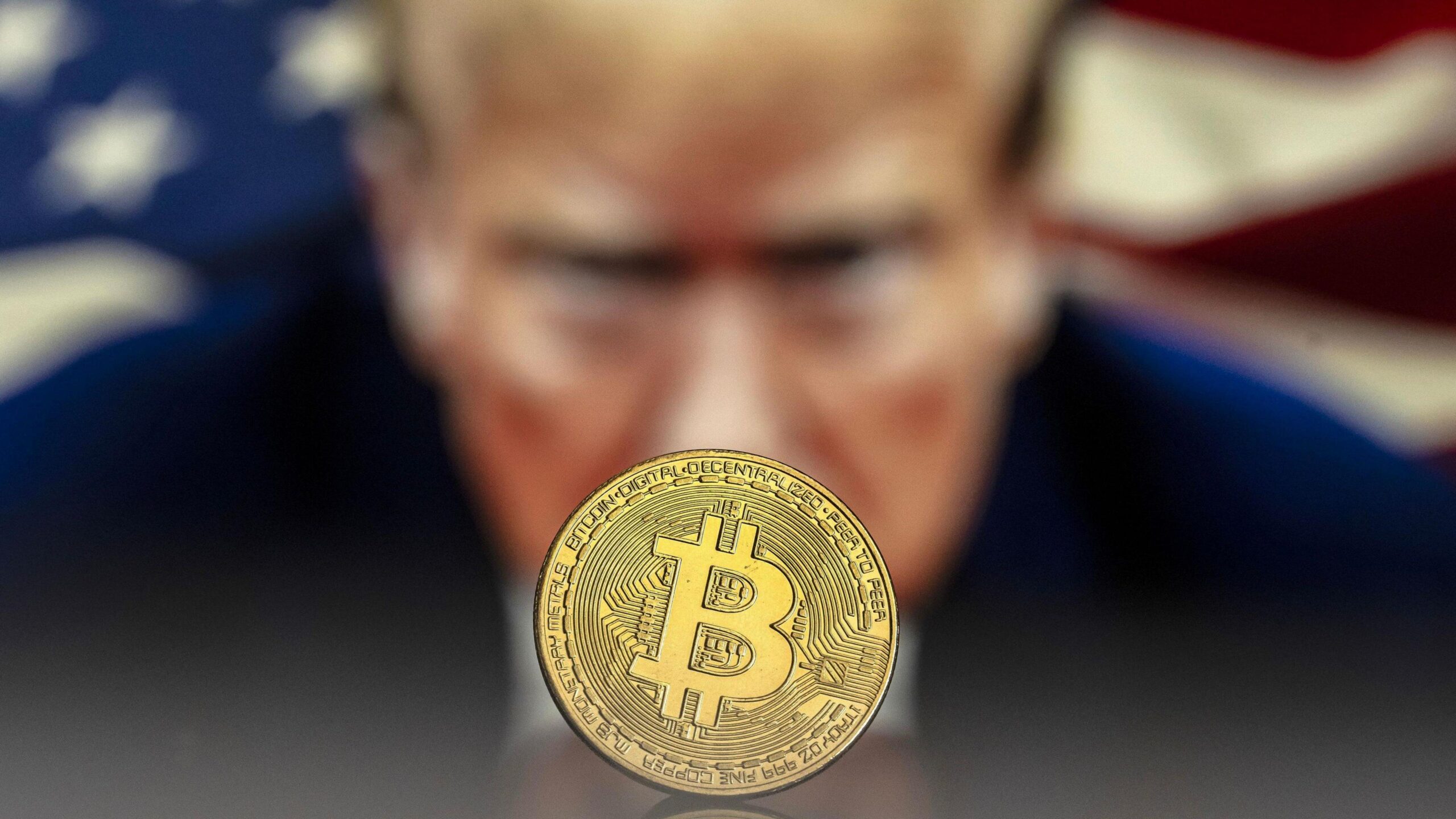
Strait Of Hormuz Ships To Start Paying Tolls In Bitcoin, Is The Petrodollar Dead?

It’s a crazy time we live in, huh?

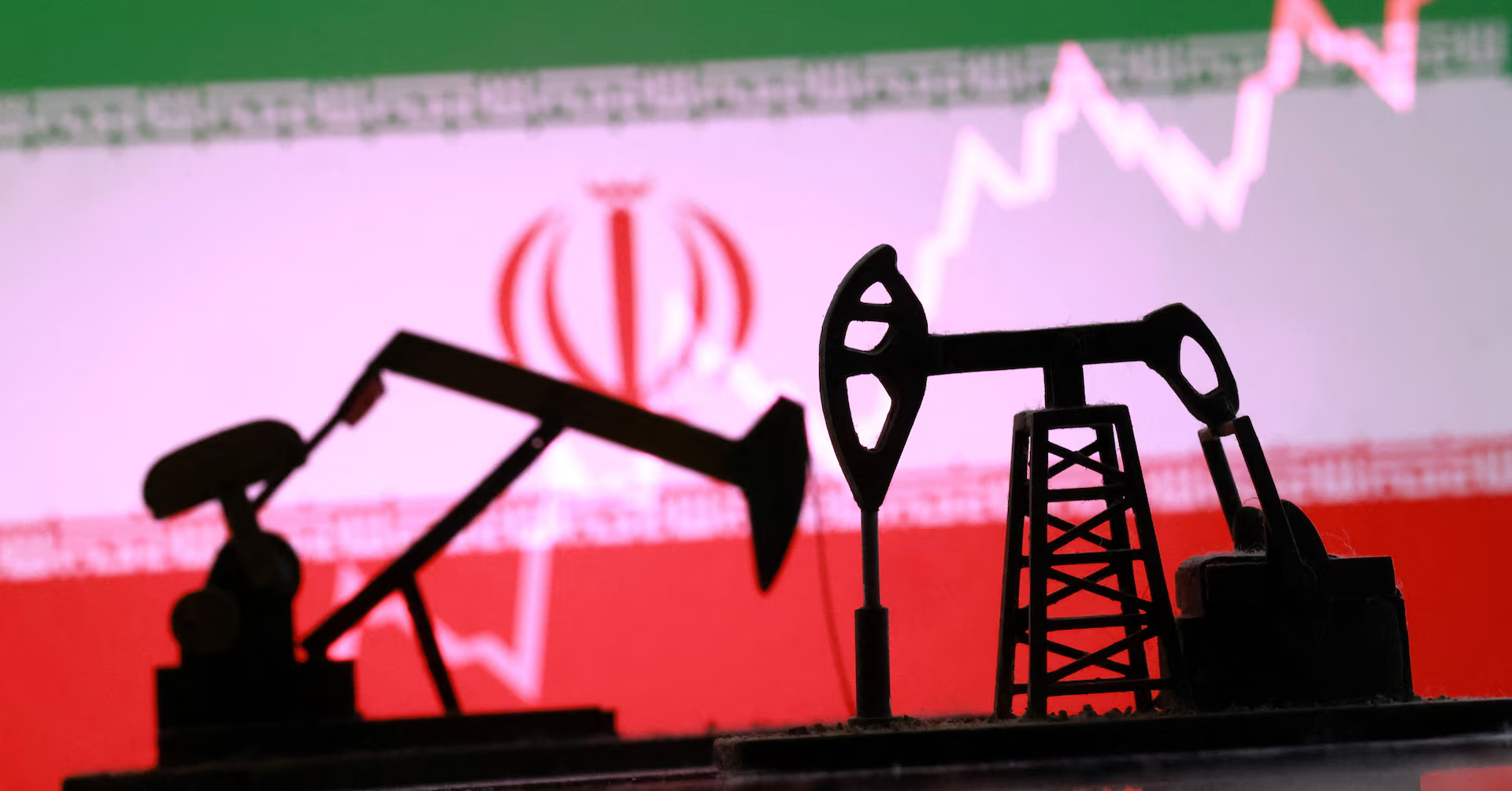
Iran is planning on requiring ships passing through the Strait of Hormuz a toll in Bitcoin in what would be a major move away from the US’s control of the economics of that area for now maybe.

Bitcoin is obviously up following the news, rising above $72,500. Maybe Trump’s massive investment into Bitcoin was him playing 4D chess all along.

It’s a big deal because people are talking about how America has this leverage over the global economy because the dollar is the reserve currency. Obviously places like Iran and China don’t want that and now Iran’s holding all the cards they have the political sway to kneecap the dollar.

bitcoin tweet

Here’s an idea though. Maybe rather than Bitcoin or dollars or yuan, why don’t we try something else, why don’t we use buttons?

Now here me out.

Firstly, everyone has buttons, everyone owns buttons so you’ve got a good supply there. They have a practical usage as well because they hold up my pants which dollars don’t do so you’re already winning there.

Buttons already look like coins so you won’t be needing to change slot machines or anything like that.

Buttons have holes in the middle so if you wanted to you could tie them together and keep your money safe like that.

Buttons are much lighter than coins or gold so you can have fun with them there.

Buttons come in all sorts of shapes and sizes so that’s more fun for you there.

Anyways, yeah, what I’m saying is we should go for the petrobutton. Iran should be demanding buttons not Bitcoin. It’s the currency of the future.

Latest news

Marge Incall• D

Strait Of Hormuz Ships To Start Paying Tolls In Bitcoin, Is The Petrodollar Dead?

Iran is planning on requiring ships passing through the Strait of Hormuz a toll in Bitcoin...
Memecoins
Marge Incall• D

Strait Of Hormuz Ships To Start Paying Tolls In Bitcoin, Is The Petrodollar Dead?

Iran is planning on requiring ships passing through the Strait of Hormuz a toll in Bitcoin...
Memecoins

This Billion Dollar Bet On Oil Prices Falling Was Placed Just Hours Before Trump’s Ceasefire

Errr, yeah, definitely not some insider trading happening here…

Investors put about $950 million dollars (dollars) into bets on oil prices falling just hours before US and Iran announced a ceasefire and oil prices did indeed fall.

8,600 lots on Brent and US crude futures were sold for a massive profit. And this might not seem unusual at first but to place massive lots like this in bulk is unusual.

Does it mean there’s something fishy going on? Is Donald Trump himself sat on Polymarket every night trying to make a killing?

We saw this before back in March when investors sold $500 million in oil futures 15 minutes before Trump delayed attacks on Iran’s energy places and oil had a massive drop again.

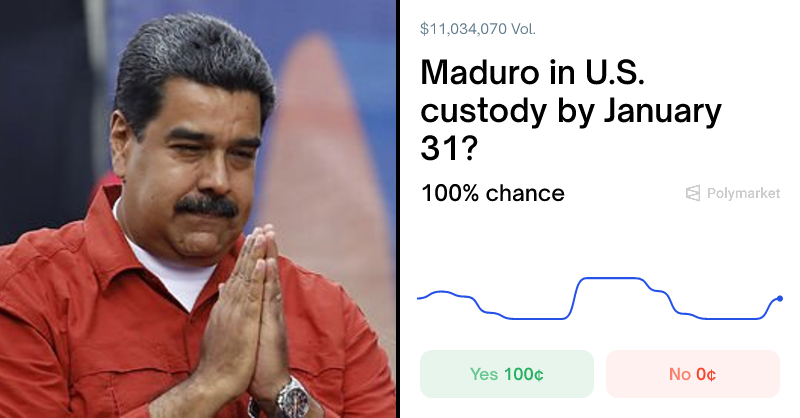
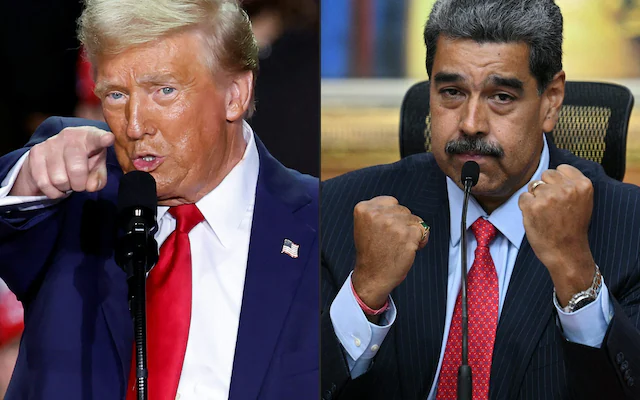
And we saw a similar thing even before then when Maduro got captured. Here:

An anonymous crypto gambler netted almost half a million on a bet that Maduro would be out just two days before he was ousted by Trump and if you can smell something fishy with that then you might just have a future in law enforcement.

Just five hours before the kidnapping, the secret better doubled down on their bet, implying that he (OR SHE) may have been privy to some of that tasty, tasty insider information.

The account was only one week old at the time of the bet and sure, maybe this brand new user got very lucky and cashed out immediately then disappeared, or…

OR

Or they knew something that no one else did.

Well, people are taking note and in response to this story, Democrat Richie Torres announced a bill to crack down on government officials trading on prediction markets.

Maduro? more like, U Mad Bro?

It might be an uphill battle however as it seems that the powers that be paved the way for said insider trading. 

As Futurism explains: “Back in October, Reuters reported that the Trump Media and Technology Group was working with Crypto.com to implement prediction market functionality into Truth Social. That came as dozens of federal investigations into crypto-based price fixing, securities fraud, and regulatory noncompliance have been dropped at the Trump administration’s urging. Two of those cases were against prediction platforms Polymarket —the very same implicated in the Venezuela allegations — and Kalshi, for selling options contracts related to congressional elections.”

Yep, this one goes all the way to the top.

Let’s circle back to this story in a couple years when it all comes out that Trump himself made the bet and is laughing all the way to the bank.

Latest news

Bill Fold• D

This Billion Dollar Bet On Oil Prices Falling Was Placed Just Hours Before Trump’s Ceasefire

Investors put about $950 million dollars into bets on oil prices falling just hours before...
Stonks
Bill Fold• D

This Billion Dollar Bet On Oil Prices Falling Was Placed Just Hours Before Trump’s Ceasefire

Investors put about $950 million dollars into bets on oil prices falling just hours before...
Stonks

Half Of Planned US Data Centers Have Been Delayed Or Canceled, What’s Really Happening?

Who could have possibly foreseen this?

It’s almost as if we don’t have the infrastructure to make everything powered by neural networks. It’s almost like the companies that have been investing over $600 billion dollars in data centers failed to consider the time and resources required to overhaul civilisation. It’s almost as if this whole AI thing is all hype and no bite…

As Bloomberg explains, the main pinchpoint is electrical components. Things like transformers, switchgears, batteries. China’s increased its output but its not nearly enough to meet the demands.

Before 2020 delivery of transformers took 24 to 30 months, now it takes up to five years. That’s err, that’s too long.

I’m also slightly confused because can’t the transformers just go into plane mode and fly over here and that would be quicker, right?

And of course we’re not even talking about Iran’s impact on energy and of course we’re not even talking about the massive tariffs on China affecting the supply chain here.

So much for the promised new electrical grid that the tech world has been promising. So much for nuclear power. So much for my AI girlfriend, I guess I’ll just have to put her down now…

Latest news

Ima Short• D

Half Of Planned US Data Centers Have Been Delayed Or Canceled, What’s Really Happening?

Companies that have been investing over $600 billion dollars in data centers failed to con...
Tech
Ima Short• D

Half Of Planned US Data Centers Have Been Delayed Or Canceled, What’s Really Happening?

Companies that have been investing over $600 billion dollars in data centers failed to con...
Tech

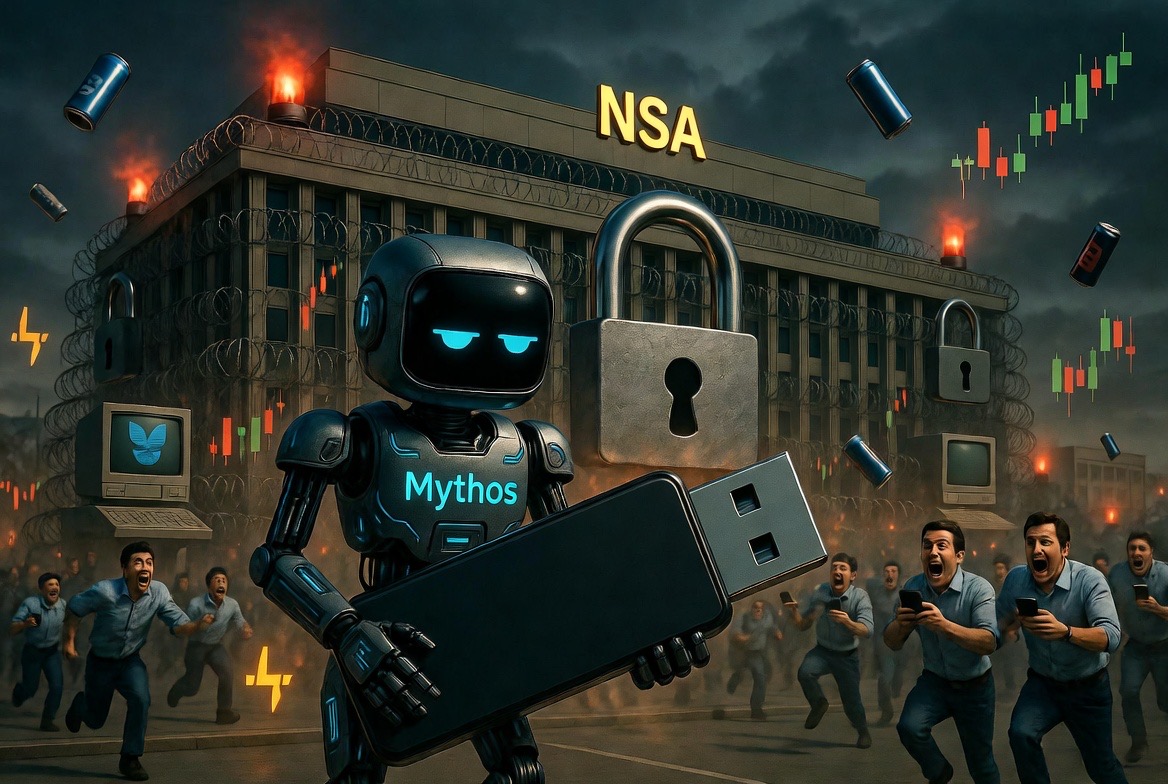
Next Gen AI Is “Too Powerful” For General Public Says Anthropic, But Is It All Hype?

Oh SHIT, shit, shit I COMPLETELY forgot it’s my dad’s funeral today. Shit, shit, shit, I’m running late. I’ve got to get going. Sorry guys, I’m really sorry about this. I literally don’t have time to write an article now. Erm, OK, here, take this article by Michael Nuñez (AI?) that I’ve copied and pasted from Venturebeat.com (please don’t sue me!)… Ok, wish me luck!!

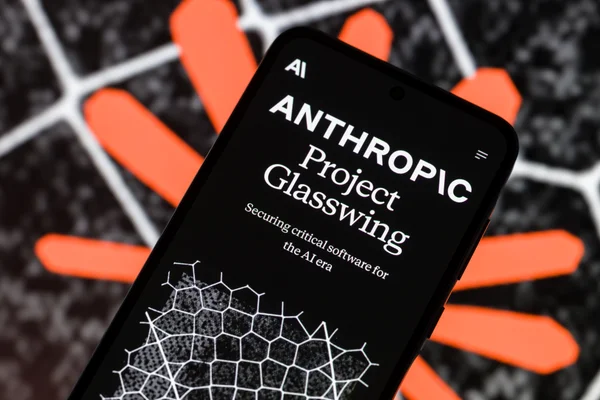
Anthropic on Tuesday announced Project Glasswing, a sweeping cybersecurity initiative that pairs an unreleased frontier AI model — Claude Mythos Preview — with a coalition of twelve major technology and finance companies in an effort to find and patch software vulnerabilities across the world’s most critical infrastructure before adversaries can exploit them.

The launch partners include Amazon Web Services, Apple, Broadcom, Cisco, CrowdStrike, Google, JPMorganChase, the Linux Foundation, Microsoft, Nvidia, and Palo Alto Networks. Anthropic says it has also extended access to more than 40 additional organizations that build or maintain critical software, and is committing up to $100 million in usage credits for Claude Mythos Preview across the effort, along with $4 million in direct donations to open-source security organizations.

The announcement arrives at a moment of extraordinary momentum — and extraordinary scrutiny — for the San Francisco-based AI startup. Anthropic disclosed on Sunday that its annualized revenue run rate has surpassed $30 billion, up from approximately $9 billion at the end of 2025, and the number of business customers each spending over $1 million annually now exceeds 1,000, doubling in less than two months. The company simultaneously announced a multi-gigawatt compute deal with Google and Broadcom. On the same day, Bloomberg reported that Anthropic had poached a senior Microsoft executive, Eric Boyd, to lead its infrastructure expansion.

But Glasswing is something categorically different from a revenue milestone or a compute deal. It’s Anthropic’s most ambitious attempt to translate frontier AI capabilities — capabilities the company itself describes as dangerous — into a defensive advantage before those same capabilities proliferate to hostile actors.

Why Anthropic built a model it considers too dangerous to release publicly

At the center of Project Glasswing sits Claude Mythos Preview, a general-purpose frontier model that Anthropic says has already identified thousands of high-severity zero-day vulnerabilities — meaning flaws previously unknown to software developers — in every major operating system and every major web browser, along with a range of other critical software.

The company is not making the model generally available.

“We do not plan to make Claude Mythos Preview generally available due to its cybersecurity capabilities,” Newton Cheng, Frontier Red Team Cyber Lead at Anthropic, told VentureBeat in an exclusive interview. “However, given the rate of AI progress, it will not be long before such capabilities proliferate, potentially beyond actors who are committed to deploying them safely. The fallout — for economies, public safety, and national security — could be severe.”

That language — “the fallout could be severe” — is striking coming from the company that built the model. Anthropic is effectively arguing that the tool it created is powerful enough to reshape the cybersecurity landscape, and that the only responsible thing to do is to keep it restricted while giving defenders a head start.

The technical results reinforce that claim. According to Anthropic’s press release, Mythos Preview was able to find nearly all of the vulnerabilities it surfaced, and develop many related exploits, entirely autonomously, without any human steering. Three examples stand out: The model found a 27-year-old vulnerability in OpenBSD — widely regarded as one of the most security-hardened operating systems in the world and commonly used to run firewalls and critical infrastructure. The flaw allowed an attacker to remotely crash any machine running the OS simply by connecting to it. It also discovered a 16-year-old vulnerability in FFmpeg — the near-ubiquitous video encoding and decoding library — in a line of code that automated testing tools had exercised five million times without ever catching the problem. And perhaps most alarmingly, Mythos Preview autonomously found and chained together several vulnerabilities in the Linux kernel to escalate from ordinary user access to complete control of the machine.

All three vulnerabilities have been reported to the relevant maintainers and have since been patched. For many other vulnerabilities still in the remediation pipeline, Anthropic says it is publishing cryptographic hashes of the details today, with plans to reveal specifics after fixes are in place.

On the CyberGym evaluation benchmark, Mythos Preview scored 83.1%, compared to 66.6% for Claude Opus 4.6, Anthropic’s next-best model. The gap is even wider on coding benchmarks: Mythos Preview achieves 93.9% on SWE-bench Verified versus 80.8% for Opus 4.6, and 77.8% on SWE-bench Pro versus 53.4%.

How Anthropic plans to disclose thousands of zero-days without overwhelming open-source maintainers

Finding thousands of zero-days at once sounds impressive. Actually handling the output responsibly is a logistical nightmare — and one of the sharpest criticisms that security researchers have raised about AI-driven vulnerability discovery. Flooding open-source maintainers, many of whom are unpaid volunteers, with an avalanche of critical bug reports could easily do more harm than good.

Cheng told VentureBeat that Anthropic has built a triage pipeline specifically to manage this problem. “We triage every bug that we find and then send the highest severity bugs to professional human triagers we have contracted to assist in our disclosure process by manually validating every bug report before we send it out to ensure that we send only high-quality reports to maintainers,” he said.

That pipeline is designed to prevent exactly the scenario that maintainers fear most: an automated firehose of unverified reports. “We do not submit large volumes of findings to a single project without first reaching out in an effort to agree on a pace the maintainer can sustain,” Cheng added.

When Anthropic has access to the source code, the company aims to include a candidate patch with every report, labeled by provenance — meaning the maintainer knows the patch was written or reviewed by a model — and offers to collaborate on a production-quality fix. “Models can write patches,” Cheng noted, “but there are many factors that impact patch quality, and we strongly recommend that autonomously-written patches are put under the same scrutiny and testing that human-written patches are.”

On disclosure timelines, Anthropic says it follows a coordinated vulnerability disclosure framework. Once a patch is available, the company will generally wait 45 days before publishing full technical details, giving downstream users time to deploy the fix before exploitation information becomes public. Cheng said the company may shorten that buffer “if the details are already publicly known through other channels, or if earlier publication would materially help defenders identify and mitigate ongoing attacks,” or extend it “when patch deployment is unusually complex or the affected footprint is unusually broad.”

Those are reasonable principles, but they will be tested at a scale that no vulnerability disclosure program has ever attempted. The sheer volume of findings — thousands of zero-days across every major platform — means that even a well-designed triage process will face bottlenecks. And the 45-day disclosure window assumes that maintainers can actually produce, test, and ship a patch in that time, which is far from guaranteed for complex kernel-level bugs or deeply embedded cryptographic flaws.

The source code leak, the CMS blunder, and why trust is Anthropic’s biggest vulnerability

The irony of a company claiming to build the most capable cyber model ever constructed while simultaneously suffering a string of embarrassing security lapses has not been lost on observers.

In late March, a draft blog post about Mythos was left in an unsecured and publicly searchable data store — a CMS misconfiguration that exposed roughly 3,000 internal assets, including what appeared to be strategic plans for the model’s rollout. Days later, on March 31, anyone who ran npm install on Claude Code pulled down Anthropic’s complete original source code — 512,000 lines — for approximately three hours due to a packaging error, an incident that drew widespread attention in the developer community and was first reported by VentureBeat.

When asked why partners and governments should trust Anthropic as the custodian of a model it describes as having unprecedented cyber capabilities, Cheng was direct. “Security is central to how we build and ship,” he told VentureBeat. “These two incidents, a blog CMS misconfiguration and an npm packaging error, were human errors in publishing tooling, not breaches of our security architecture. We’ve made changes to prevent these from happening again, and we’ll continue to improve our processes.”

It is a technically accurate distinction — neither incident involved a breach of Anthropic’s core model weights, training infrastructure, or API systems — but it is also a distinction that may prove difficult to sustain as a public argument. For an organization asking governments and Fortune 500 companies to trust it with a tool that can autonomously find and exploit vulnerabilities in the Linux kernel, even minor operational lapses carry outsized reputational risk. The fact that the Mythos leak itself was what first alerted the security community to the model’s existence, weeks before the planned announcement, underscores the point.

What Microsoft, CrowdStrike, and the Linux Foundation found when they tested the model

The coalition’s breadth is notable. It includes direct competitors — Google and Microsoft — alongside cybersecurity incumbents, financial institutions, and the steward of the world’s largest open-source ecosystem. And several partners have already been running Mythos Preview against their own infrastructure for weeks.

CrowdStrike’s CTO Elia Zaitsev framed the initiative in terms of collapsing timelines: “The window between a vulnerability being discovered and being exploited by an adversary has collapsed — what once took months now happens in minutes with AI.” AWS Vice President and CISO Amy Herzog said her teams have already been testing Mythos Preview against critical codebases, where the model is “already helping us strengthen our code.” And Microsoft’s Global CISO Igor Tsyganskiy noted that when tested against CTI-REALM, Microsoft’s open-source security benchmark, “Claude Mythos Preview showed substantial improvements compared to previous models.”

Perhaps the most revealing comment came from Jim Zemlin, CEO of the Linux Foundation, who pointed to the fundamental asymmetry that has plagued open-source security for decades: “In the past, security expertise has been a luxury reserved for organizations with large security teams. Open-source maintainers — whose software underpins much of the world’s critical infrastructure — have historically been left to figure out security on their own.” Project Glasswing, he said, “offers a credible path to changing that equation.”

To back that claim with dollars, Anthropic says it has donated $2.5 million to Alpha-Omega and OpenSSF through the Linux Foundation, and $1.5 million to the Apache Software Foundation. Maintainers interested in access can apply through Anthropic’s Claude for Open Source program.

Inside the pricing, the compute deal, and Anthropic’s path toward a potential IPO

After the research preview period — during which Anthropic’s $100 million credit commitment will cover most usage — Claude Mythos Preview will be available to participants at $25 per million input tokens and $125 per million output tokens. Participants can access the model through the Claude API, Amazon Bedrock, Google Cloud’s Vertex AI, and Microsoft Foundry.

Those prices reflect the model’s computational intensity. The draft blog post that leaked in March described Mythos as a large, compute-intensive model that would be expensive for both Anthropic and its customers to serve. Anthropic’s solution is to develop and launch new safeguards with an upcoming Claude Opus model, allowing the company to “improve and refine them with a model that does not pose the same level of risk as Mythos Preview,” as Cheng told VentureBeat. Security professionals whose legitimate work is affected by those safeguards will be able to apply to an upcoming Cyber Verification Program.

The financial context matters. The same day Project Glasswing launched, Anthropic disclosed its revenue milestone and the Google-Broadcom compute deal. Broadcom signed an expanded deal with Anthropic that will give the AI startup access to about 3.5 gigawatts worth of computing capacity drawing on Google’s AI processors, according to CNBC. The scale of compute being marshaled is staggering — and it helps explain why Anthropic needs both the revenue from enterprise cybersecurity partnerships and the infrastructure to serve a model of Mythos Preview’s size.

The timing also intersects with growing speculation about Anthropic’s path to a public offering. The company is reportedly evaluating an IPO as early as October 2026. A high-profile, government-adjacent cybersecurity initiative with blue-chip partners is exactly the kind of program that burnishes an IPO narrative — particularly when the company can simultaneously point to $30 billion in annualized revenue and a compute footprint measured in gigawatts.

Anthropic says defenders have months, not years, before adversaries catch up

The most consequential question raised by Project Glasswing is not whether Mythos Preview’s capabilities are real — the partner endorsements and patched vulnerabilities suggest they are — but how much time defenders actually have before similar capabilities are available to adversaries.

Cheng was candid about the timeline. “Frontier AI capabilities are likely to advance substantially over just the next few months,” he told VentureBeat. “Given the rate of AI progress, it will not be long before such capabilities proliferate, potentially beyond actors who are committed to deploying them safely.” He described Project Glasswing as “an important step toward giving defenders a durable advantage in the coming AI-driven era of cybersecurity” but added a crucial caveat: “It’s important to note, this is a starting point. No one organization can solve these cybersecurity problems alone.”

That framing — months, not years — is worth taking seriously. DARPA launched its original Cyber Grand Challenge in 2016, a competition to create automatic defensive systems capable of reasoning about flaws, formulating patches, and deploying them on a network in real time. At the time, the winning AI-powered bot, Mayhem, finished last when placed against human teams at DEF CON. A decade later, Anthropic is claiming that a frontier AI model can find vulnerabilities that survived 27 years of expert human review and millions of automated security tests — and can chain exploits together autonomously to achieve full system compromise.

The delta between those two data points illustrates why the industry is treating this as a genuine inflection point, not a marketing exercise. Anthropic itself has firsthand experience with the offensive side of this equation: the company disclosed in November 2025 that a Chinese state-sponsored group achieved 80 to 90 percent autonomous tactical execution using Claude across approximately 30 targets, according to Anthropic’s misuse report.

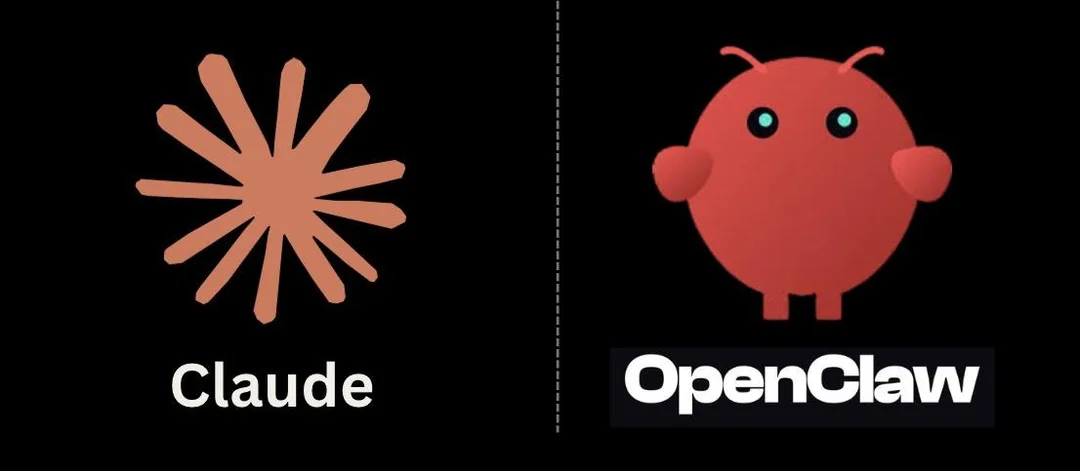
Project Glasswing arrives during one of the most turbulent weeks in Anthropic’s history. In the span of days, the company has announced a model it considers too dangerous for public release, disclosed that its revenue has tripled, sealed a multi-gigawatt compute deal, hired a senior Microsoft executive, made it more expensive for Claude Code subscribers to use third-party tools like OpenClaw, and weathered a major outage of its Claude chatbot on Tuesday morning. Anthropic says it will report publicly on what it has learned within 90 days. In the medium term, the company has proposed that an independent, third-party body might be the ideal home for continued work on large-scale cybersecurity projects.



Whether any of that is fast enough depends on a race that is already underway. Anthropic built a model that can autonomously crack open the most hardened operating systems on the planet — and is now betting that sharing it with defenders, under careful restrictions, will do more good than the inevitable moment when similar capabilities land in less careful hands. It is, in essence, a wager that transparency can outrun proliferation. The next few months will determine whether that bet pays off, or whether the glasswing’s wings were never quite opaque enough to hide what was coming.

Latest news

Pen Smith• April 8, 2026D

Next Gen AI Is “Too Powerful” For General Public Says Anthropic, But Is It All Hype?

Anthropic on Tuesday announced Project Glasswing, a sweeping cybersecurity initiative that...
Tech
Pen Smith• D

Next Gen AI Is “Too Powerful” For General Public Says Anthropic, But Is It All Hype?

Anthropic on Tuesday announced Project Glasswing, a sweeping cybersecurity initiative that...
Tech